
Last Updated on September 30, 2026 by vikas chaudhary
- 15 content types get cited by LLMs across three layers: Decision content covers comparison, alternatives, listicle, pricing, product and integration pages, authority content covers research, case studies, definitions and guides, and earned content covers reviews, directories, communities and YouTube.
- Reviews and social proof win 57% of branded AI citations: Omniscient Digital’s study of 23,387 sources found reviews, listicles, forums and case studies dominate, while thought leadership earned only 5.4% and standalone FAQ pages 0.41%.
- Search intent decides which format AI engines cite: Wix’s analysis of 75,000 AI answers found listicles and articles made up 67% of informational citations, while product and category pages took 40% for navigational and transactional prompts.
- Brand mentions correlate 3x more strongly with AI visibility than backlinks: Ahrefs measured web mentions at 0.664 against 0.218 for backlinks, and YouTube mentions were the strongest correlate of AI visibility on every platform it measured.
- Start with comparison, pricing and review pages: These decision assets give most SaaS brands the fastest citation gains, and AI visibility audits usually surface the biggest gaps in exactly these three content types first.
- Build topical authority on a 90-day plan: Audit 20 buyer prompts in weeks 1 to 2, fix decision pages by week 5, refresh third-party profiles and launch a review program, then rerun the same prompts in week 12.
The 15 content types that get cited by LLMs are comparison pages, alternatives pages, listicles, pricing pages, product pages, integration docs and more. Together, they build the topical authority AI engines trust. Read on to explore all the important content types that get ranked on AI citations.
What Is Topical Authority for AI Visibility?
Topical authority for AI visibility means AI engines see your brand as a trusted, repeat source on one subject. You earn it through deep coverage on your site and consistent mentions across the web. When an LLM answers a question in your niche, it then names or cites you.
Classic topical authority focused on Google rankings. You built pillar pages and clusters to prove depth. That still matters. But AI engines add a second test. They check what other sites say about you.
So your topical authority now has two halves :
- Owned depth : the pages you publish and maintain.
- Earned presence : reviews, listicles, forums, and videos that mention you.
The 15 content types below cover both halves.
Why Do LLM Citations Matter More in 2026?
LLM citations matter because AI answers now absorb clicks that used to reach your site. If the answer names your competitor, your buyer may never see you.
The data is clear. A Pew Research Center study of 900 US adults found that people who saw an AI summary clicked a traditional result in 8% of visits, versus 15% without one. Clicks on links inside the summaries happened in just 1% of visits. You can read the full Pew Research findings on AI summaries for the method.
The trend continued. Ahrefs reported that AI Overviews now bring a 58% lower average click-through rate for top-ranking pages, based on 300,000 keywords.
What does this mean for you? Ranking alone no longer guarantees attention. Being named inside the answer does.
How Do AI Engines Choose Which Sources to Cite?
AI engines retrieve pages from a search index, then pick sources that answer the query clearly and credibly. Google calls this retrieval-augmented generation, or grounding.
Google also uses query fan-out, where the model runs several related searches at once to gather more results. A single buyer prompt can pull pages for pricing, reviews, and alternatives in one go. That is why broad topic coverage helps.
Which Content Wins for Each Search Intent?
Intent shapes the format AI engines prefer. Wix’s AI Search Lab analyzed 75,000 AI answers with over one million citations across ChatGPT, Google AI Mode, and Perplexity. See the Wix study on content types cited by LLMs for the full breakdown.
| Search Intent | Example Prompt | Most-Cited Formats |
| Informational | “What is SOC 2 compliance?” | Listicles and articles, which made up 67% of cited content |
| Navigational | “HubSpot pricing page” | Product or category pages, at 40% of surfaced pages |
| Transactional | “Buy Notion team plan” | Product and category pages, also at 40% |
| Commercial | “Best CRM for startups” | Listicles and category pages, above 52% combined |
Why Do Third-Party Sources Matter So Much?
Buyers trust other buyers. So do AI engines. Omniscient Digital’s analysis of 23,387 sources found that 57% of branded query citations went to reviews, listicles, forums, social media, and case studies. Their research on content types LLMs cite also shows a surprise. Educational and thought leadership content earned only 5.4% of branded citations.
Key insight : Your blog builds authority. Your reviews, comparisons, and mentions win the citation at the moment of decision.
The 15 Content Types That Get Cited by LLMs
We group the 15 types into three layers. Each layer plays a different role in your topical authority.
Layer 1 : Decision Content (You Control It)
1. Comparison Pages (“Brand A vs Brand B”)
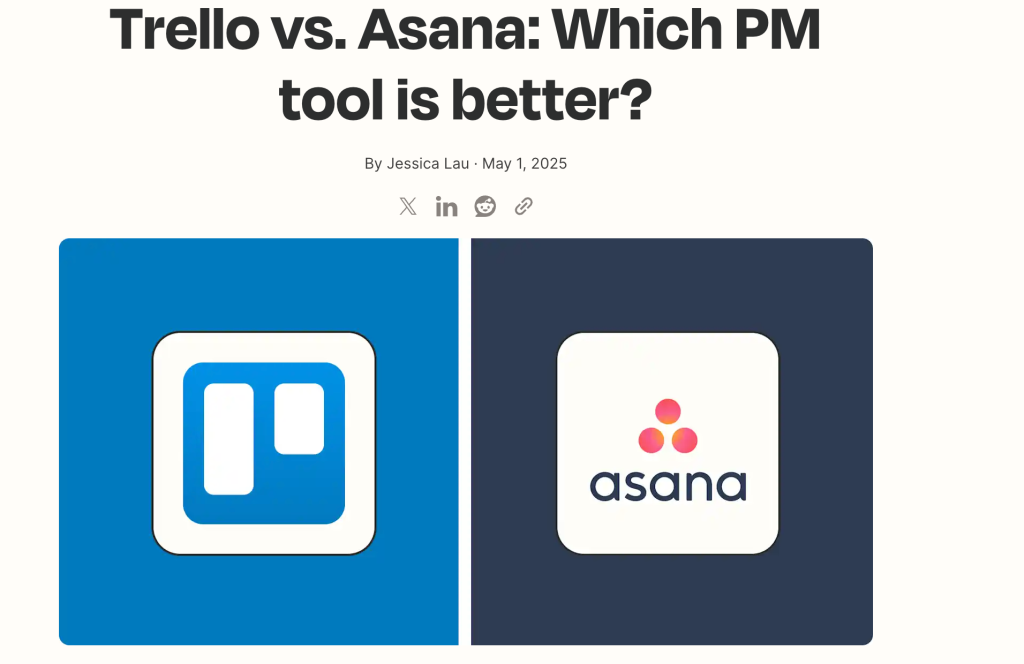
Comparison pages give AI engines a ready-made answer for head-to-head prompts. Buyers ask “Asana or Monday for agencies?” daily. If your page answers it, you enter the response.
Make it citation-ready:
- Use a side-by-side feature table.
- Add “Best for” and “Limitations” rows.
- Stay fair to the competitor.
Our guide on how to write competitor comparison blogs for SaaS covers the full framework.
2. Alternatives Pages (“Best X Alternatives”)
Alternatives pages capture buyers who want to leave a competitor. They match prompts like “cheaper alternatives to Salesforce.” List your product with honest peers. One-sided lists lose trust fast.
3. Best-of Listicles
Listicles lead citations for commercial queries. Publish your own category roundups. Also earn spots in third-party lists. Use the same structure for every entry: price, best for, pros, and cons.
4. Transparent Pricing Pages
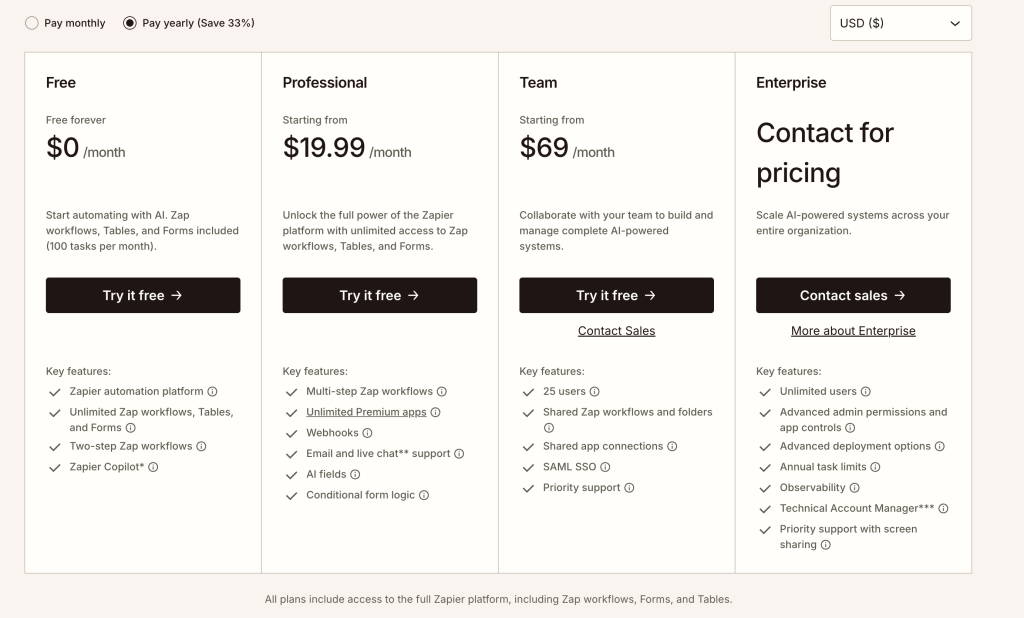
Public pricing pages let AI engines quote your costs accurately. Gated pricing forces the model to guess or cite a reseller. Show tiers in a clean table. For UK and EU buyers, show GBP or EUR prices and state whether VAT applies.
5. Product and Feature Pages
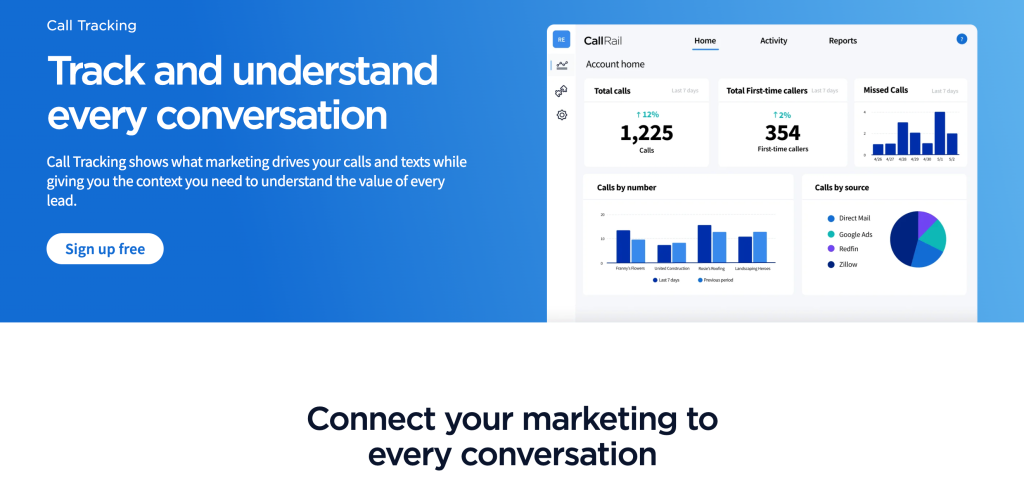
Product pages act as your source of truth for capability questions. Name your product explicitly in each section. Avoid vague phrases like “our solution.” Describe who each feature serves.
6. Integration and Documentation Pages
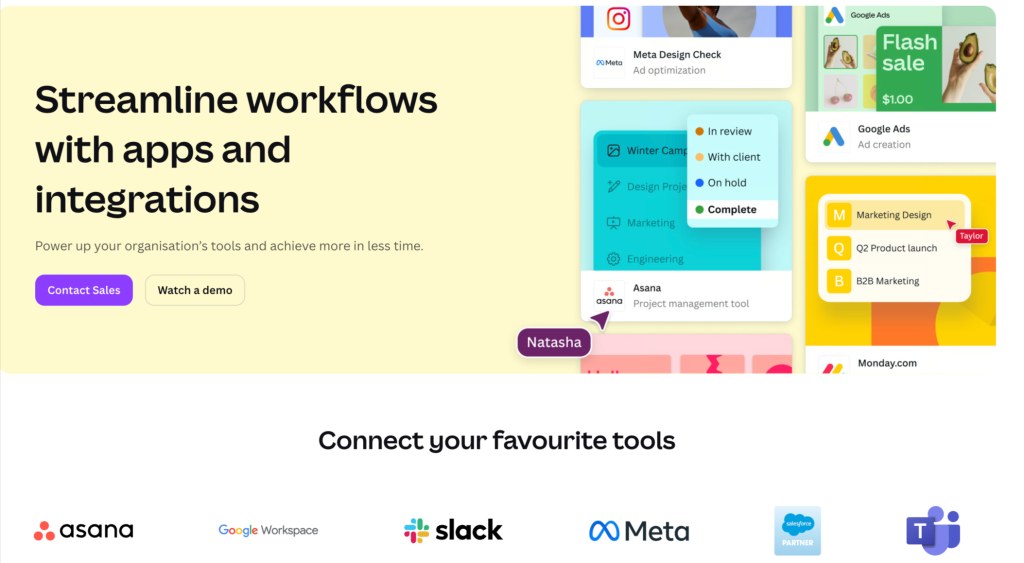
Integration pages answer “Does X work with Y?” prompts directly. Build one page per major integration. Include setup steps, use cases, and limits. Keep docs public and crawlable.
Layer 2 : Authority Content (You Control It)
7. Original Research and Benchmark Reports
Original data makes your brand the source other writers must cite. Run a survey or analyze your product data. Publish clear numbers with your method. Other sites then reference you, which multiplies your mentions.
8. Case Studies With Named Results
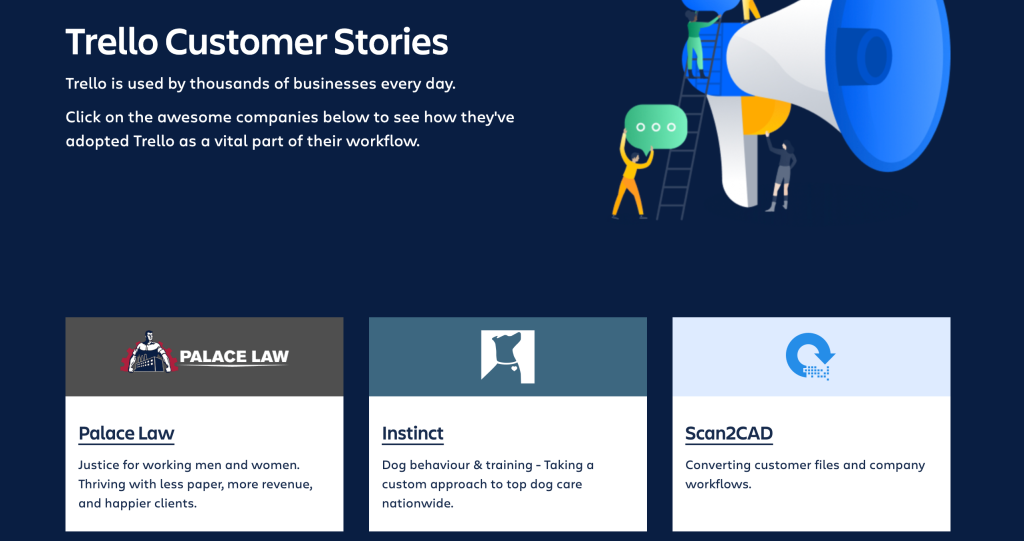
Case studies earn citations when they include a named client and a measurable outcome. “Cut onboarding time from 14 days to 5” beats “improved efficiency.” Use a before-and-after structure.
9. Definition and Glossary Pages
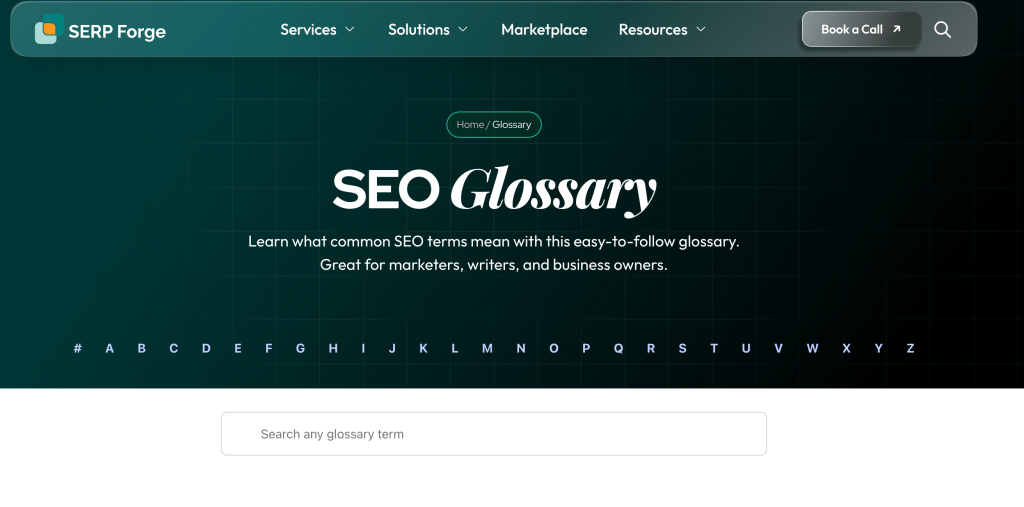
Definition pages win “What is…” prompts. Open with a 40–60 word answer. Then expand with examples. These pages also anchor your topic cluster.
10. How-To Guides and Tutorials
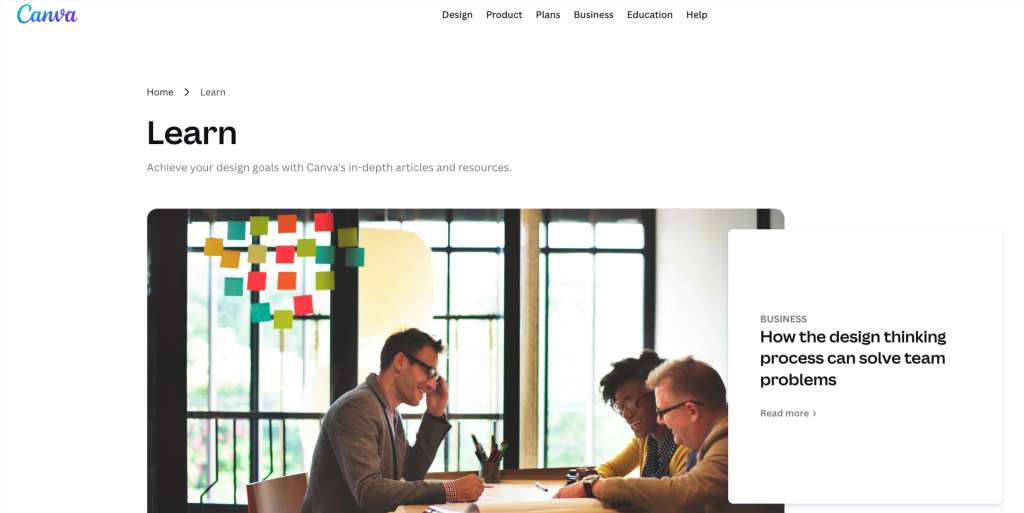
How-to guides serve informational queries with clear, ordered steps. Use numbered lists. Add screenshots from real product use. Google values first-hand, non-commodity content over recycled tips.
11. Buying Guides and Decision Frameworks
Buying guides help AI engines answer “What should I look for?” prompts. Walk readers through criteria like budget, team size, and integrations. Link each criterion to your comparison and pricing pages.
Layer 3 : Earned Content (You Influence It)
12. Review Platform Profiles
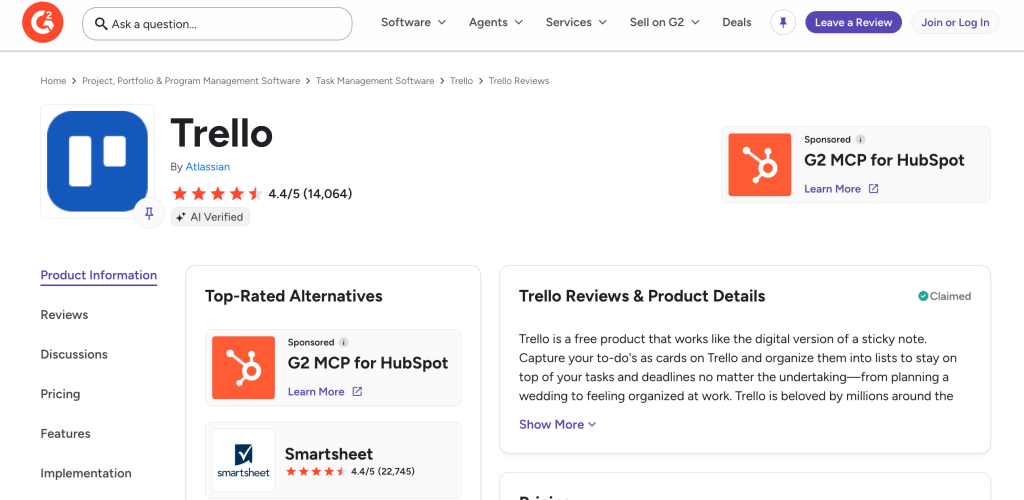
Review profiles on G2, Capterra, and Trustpilot shape how AI describes your product. Ask happy customers for detailed reviews after onboarding. Update screenshots and descriptions often. UK and EU buyers often check Trustpilot too.
13. Directory and Brand Profiles
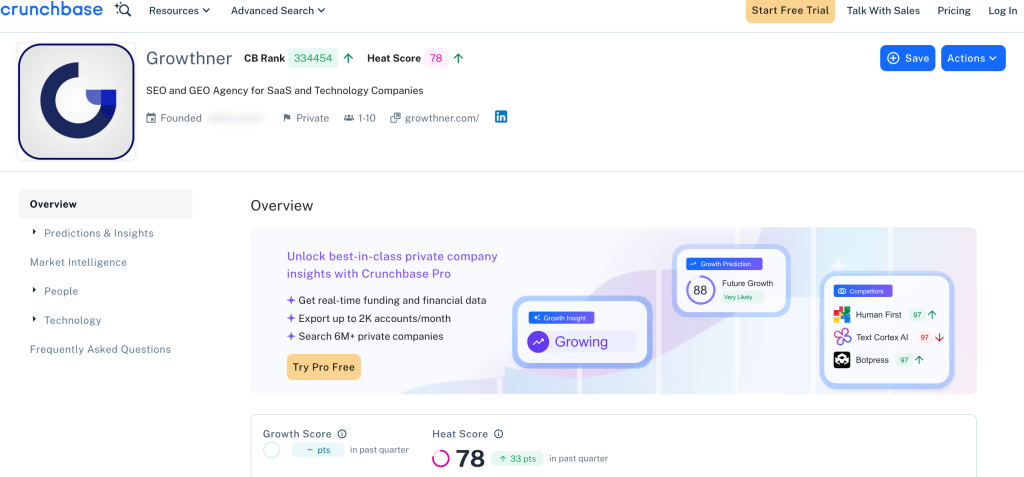
Directory profiles give AI engines a summary of who you are. Omniscient found directory and reference sites earned 17% of branded citations. Keep Crunchbase, Product Hunt, and category listings current. Explore the top SaaS listing platforms for AI search visibility. Omniscient Digital
14. Community Discussions (Reddit and Forums)
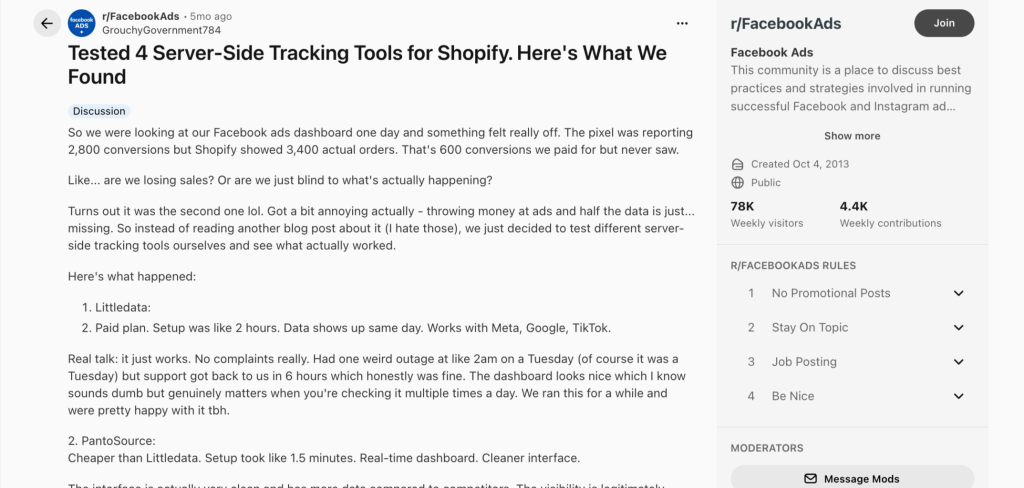
Community threads show AI engines what real users think. Pew found Wikipedia, YouTube, and Reddit were the most frequently cited sources in Google AI summaries. Join discussions with helpful answers, not ads.
15. YouTube Videos and Demos
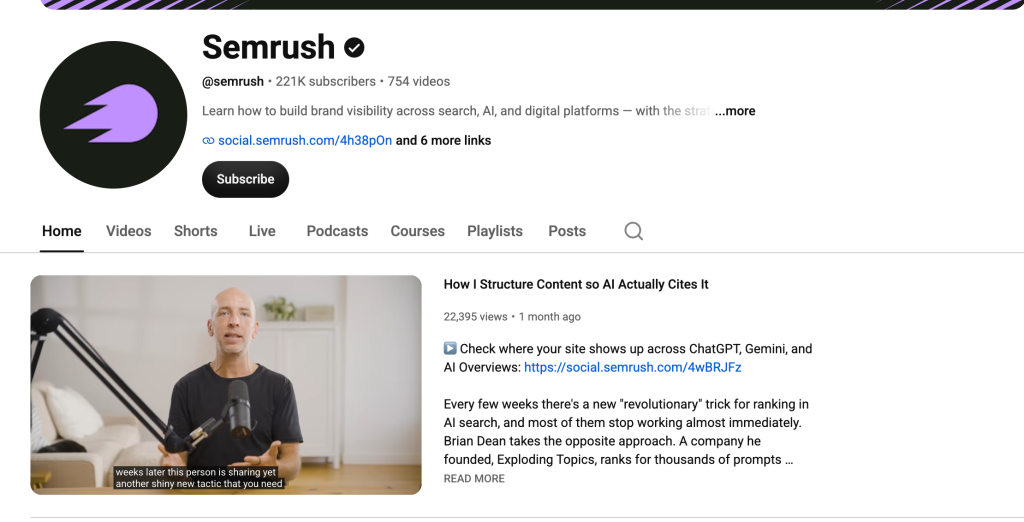
YouTube mentions show one of the strongest links to AI visibility. Ahrefs’ December 2025 study of 75,000 brands found YouTube mentions were the strongest correlate of AI visibility on every platform it measured. Publish product walkthroughs. Offer demo access to independent reviewers.
Which Content Types Should You Prioritize First?
Start with decision content and review profiles, then build research and community presence. This order matches where buyers ask the highest-intent questions.
| # | Content Type | Your Control | Main Intent | Effort | Priority |
| 1 | Comparison pages | Full | Commercial | Medium | High |
| 2 | Alternatives pages | Full | Commercial | Medium | High |
| 3 | Best-of listicles | Partial | Commercial | Medium | High |
| 4 | Pricing pages | Full | Transactional | Low | High |
| 5 | Product pages | Full | Navigational | Low | High |
| 6 | Integration docs | Full | Informational | Medium | Medium |
| 7 | Original research | Full | Informational | High | Medium |
| 8 | Case studies | Full | Commercial | Medium | Medium |
| 9 | Definition pages | Full | Informational | Low | Medium |
| 10 | How-to guides | Full | Informational | Medium | Medium |
| 11 | Buying guides | Full | Commercial | Medium | Medium |
| 12 | Review profiles | Influence | Commercial | Ongoing | High |
| 13 | Directory profiles | Partial | Navigational | Low | High |
| 14 | Community threads | Influence | Commercial | Ongoing | Medium |
| 15 | YouTube videos | Partial | Informational | High | Medium |
When we run AI visibility audits for SaaS clients, gaps usually appear in rows 1, 4, and 12 first.
What Doesn’t Work for AI Citations?
Shortcuts like llms.txt files, fake mentions, and AI-only rewrites do not help in Google’s AI features. Google says so directly in its guide to optimizing for generative AI search.
Google’s position is simple. Optimizing for AI search “is optimizing for the search experience, and thus still SEO.”
Here is what Google tells you to skip :
- llms.txt files : Google Search ignores them, so they neither help nor hurt your visibility there.
- Forced chunking : Google states you don’t need to split content into tiny pieces for its systems. Write clear sections for readers instead.
- Inauthentic mentions : Google says chasing fake mentions is less helpful than it seems, since its spam systems filter them.
- Schema as a magic fix : Structured data isn’t required for AI search, but Google still recommends it for rich results.
Other AI engines may use signals differently. Still, clear structure and genuine quality help everywhere.
Our view : Build a brand worth mentioning. Then make that brand easy to find, read, and quote.
– Growthner SEO Team
How Do You Build Topical Authority Across All 15 Types?
You build it by mapping your topics, filling format gaps, and earning outside mentions on a steady schedule. Follow this 90-day plan.
- Audit your current AI visibility (Week 1–2) : Test 20 buyer prompts in ChatGPT, Gemini, Claude, and Perplexity. Our guide on how to audit your SaaS brand in generative search shows each step.
- Map your topic cluster (Week 2–3) : List your core topic, subtopics, and buyer questions for each intent.
- Fix decision pages (Week 3–5) : Publish comparison, alternatives, and pricing pages. Update product pages.
- Refresh third-party profiles (Week 4–6) : Update G2, Capterra, Crunchbase, and category directories.
- Launch a review program (Week 5 onward) : Ask customers for reviews at key success moments.
- Publish proof content (Week 6–10) : Release one case study and plan one original data report.
- Join community conversations (ongoing) : Answer relevant Reddit and forum questions with real expertise.
- Re-test and refresh (Week 12) : Rerun your prompts. Update stats, prices, and dates on key pages.
Why Do Mentions Matter More Than Links Here?
Mentions matter because they signal real-world recognition, not just link equity. Ahrefs found brand web mentions correlated at 0.664 with AI Overview visibility, while backlinks sat at 0.218. Brands in the top quartile for web mentions averaged 169 AI Overview mentions, more than 10 times the next quartile.
Read the Ahrefs AI Overview brand correlation study for the full factor list. For a deeper comparison, see our post on brand mentions vs backlinks for AI search visibility.
Keep in mind that correlation is not causation. Links still support rankings, and rankings still feed AI retrieval.
How Do You Measure AI Citations?
You measure AI citations by tracking a fixed prompt set across engines and logging when your brand appears. Use the same prompts each month for fair comparison.
| Metric | What It Tells You | Where to Track |
| Citation rate | How often your URLs appear as sources | Manual prompt tests or AI visibility tools |
| Mention rate | How often AI names your brand | Prompt tests across engines |
| Share of voice | Your mentions versus competitors | AI visibility tools |
| AI feature performance | Your Google AI feature exposure | Google Search Console |
| AI referral traffic | Visits from ChatGPT, Perplexity, and others | GA4 referral reports |
Google offers a Generative AI performance report in Search Console to show how your content performs in its AI features. Also, follow Google’s guidance on creating helpful, reliable, people-first content. It underpins everything above.
Build Topical Authority That AI Engines Trust with Growthner!
The 15 content types that get cited by LLMs work best as one system. Decision pages answer buying prompts. Authority content proves expertise. Earned mentions confirm your reputation.
You do not need all 15 at once. Start with the gaps that affect your buyers most. Then build steadily.
Want to know where your brand stands today?
Get your free AI visibility audit from Growthner. We test 20 buyer prompts across ChatGPT, Claude, Gemini, and Perplexity and show your top citation gaps. Schedule a call today!
FAQs
1. What are the 15 content types that get cited by LLMs?
The 15 types are comparison pages, alternatives pages, listicles, pricing pages, product pages, integration docs, original research, case studies, definition pages, how-to guides, buying guides, review profiles, directory profiles, community threads, and YouTube videos. They cover decision, authority, and earned content layers.
2. Which content type gets cited most by AI engines?
Reviews and social proof lead for branded queries. Omniscient Digital found they earned 57% of branded citations. For commercial category queries, listicles and category pages dominate. The best format always depends on the searcher’s intent.
3. Do FAQ pages help you get cited by LLMs?
FAQ sections help readers and structure answers well. However, standalone FAQ pages earned only 0.41% of branded citations in Omniscient’s study. Add FAQs to high-value pages instead of relying on a separate FAQ page alone.
4. How long does it take to earn AI citations?
Timelines vary by brand strength and competition. Many teams see early changes within a few months of fixing decision pages and profiles. Building steady citation presence across a full topic cluster usually takes longer. Test the same prompts monthly to track progress.
5. Is topical authority different for AI search than for Google?
The foundation is the same: deep, helpful coverage of one subject. AI search adds more weight to third-party signals. Reviews, directories, forums, and videos shape how LLMs describe you. You need owned depth and earned presence together.
6. Do you need an llms.txt file for AI visibility?
Google says its Search and AI features ignore llms.txt files. Some other AI systems may read them, so adding one is optional. It will not replace quality content, clear structure, or genuine brand mentions.
About the Author


